Carol’s Musings
- Art and Artists 2
- Metaphorical expressions 1
- Theatre 1
- books and writers 692
- canadiana 458
- cultures and civilizations 877
- esl 36
- featured 20
- friends 27
- home and family 1
- humour 28
- inner adventure 178
- learning history by reading mystery 48
- memories evoked 167
- motherhood and family 35
- music and poetry 156
- nature and wildlife 450
- teaching 19
- weather and seasons 285
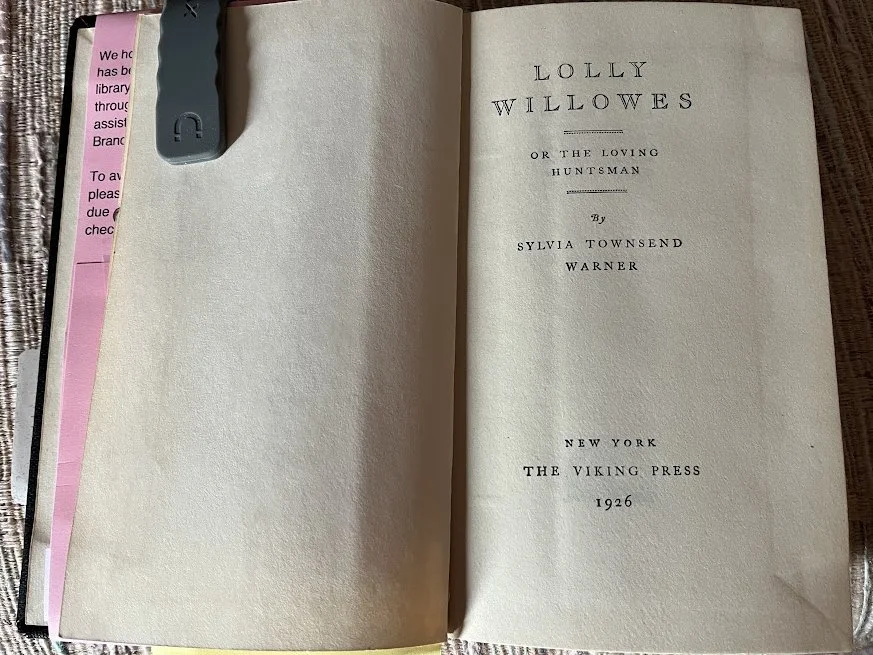
Lolly Willowes by Sylvia Townsend Warner
This novel was published a hundred years ago. Reading it made me ask myself what’s changed and what remains the same.
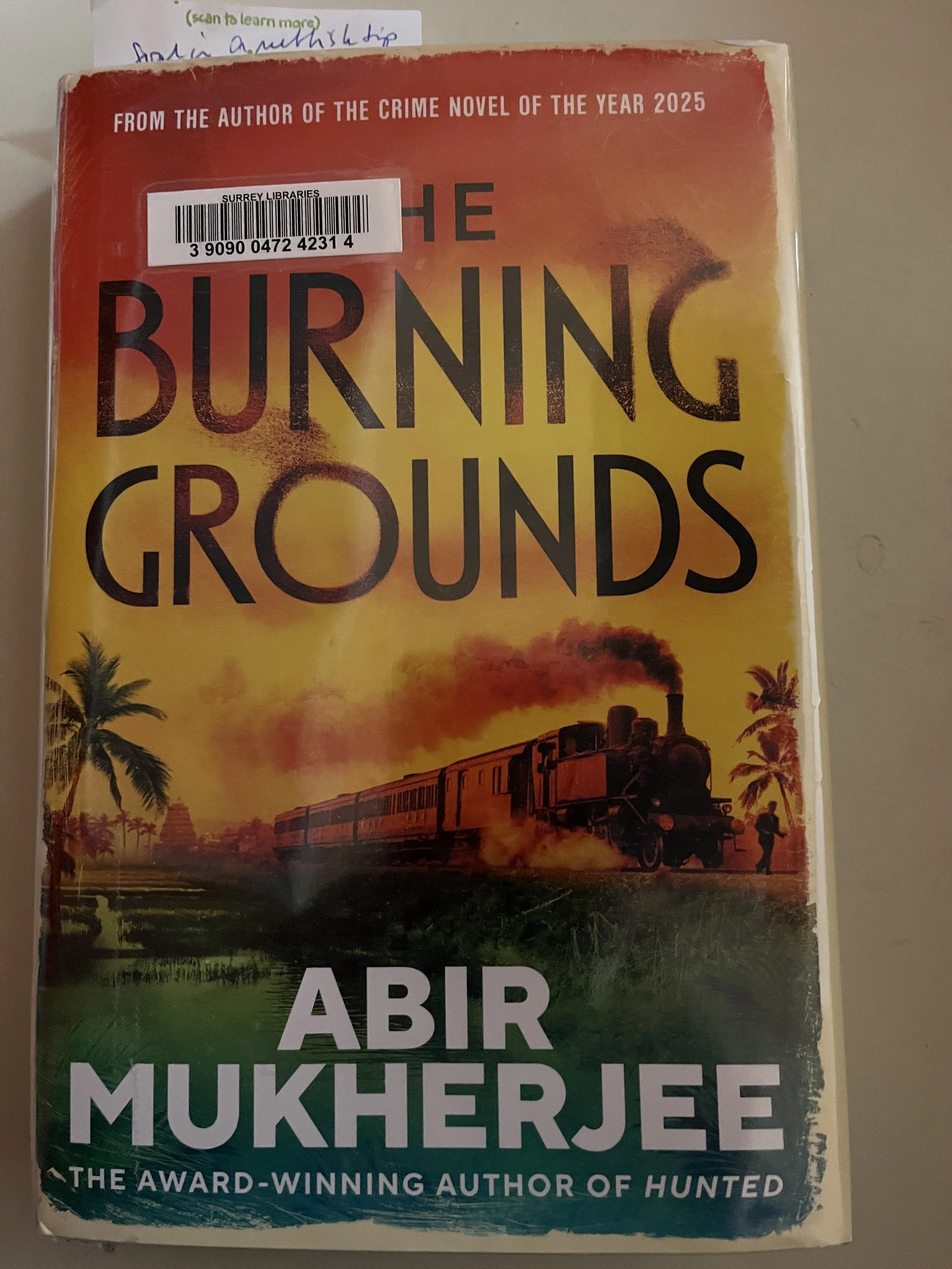
The Burning Grounds by Abir Mukherjee
After finishing the The Shadows of Men, the last Wyndham and Bannerjee novel in 2021, I waited eagerly for the next to come out. In spite of their personal differences and the colonial atmosphere that shadowed their friendship, I hoped that Suren and Sam would work together again. It took four years before The Burning Grounds came out, and it proves a worthy successor to the previous five novels that portray Calcutta in the run-up to Indian Independence.

City of Destruction by Vaseem Khan
Like the earlier books in the Malabar House series, this one has an intricate plot that must be unraveled by the delightful Persis Wadia, the newly independent India’s first woman police inspector. With those who govern the new nation already pulling in different directions, Persis manages to stop a lone young man from assassinating a hawkish politician.

Death at the Sign of the Rook by Kate Atkinson
It’s always a joy to read Kate Atkinson’s work. This latest Jackson Brodie adventure struck me as even wiser and more hilarious than the wonderful stories of his previous exploits. When the story opens, Jackson, now sixty and a grandfather, has been house-hunting. However, he’s just overcome “several weeks being sensible and mature” and bought a brand-new “rugged, blokey” Land Rover Defender. After all, he reflects, “you could live in a Defender if you had to, “but you couldn’t drive a house.”

The Spy by Ajay Chowdhury
Ex-Kolkata policeman Kamil Rahman, introduced in previous novels, began his London life as a waiter, then worked as a cook. In this volume, he is seconded from his job as a detective for the London police to assist MI5. Thanks to his brown skin and Muslim heritage, Five asks him to infiltrate a mosque where they suspect a major act of terror is being fomented.

The Bangalore Detectives Club by Harini Nagendra
A conventionally structured tale of murder, the story plays out against actual and imagined social history. Fortunate to be educated and married to the enlightened and liberal Doctor Ramu Murthy, Kaveri not only involves herself in solving a murder, but persuades Ramu to aid her efforts in helping the police. As she does so, she comes across all manner of social ills. The burden of a home’s respectability, Kaveri quickly realizes, is placed on the womenfolk.

Northern Spy by Flynn Berry
The greater good is a phrase that comes up a lot in this novel, but it isn’t as good as it sounds. Instead, the phrase is brought into service to excuse evil deeds on both sides of the conflict.

Death of a Lesser God by Vaseem Khan
The latest installment of the Malabar House series, like its predecessors, bristles with evocative descriptions of India in the early years after independence.

The Detective by Ajay Chowdhury
“If a tech company is not trying to sell you a product, you are the product they are selling.” The setting of this tale is up to the minute, and like other great contemporary mysteries, it comments on society as currently constituted.
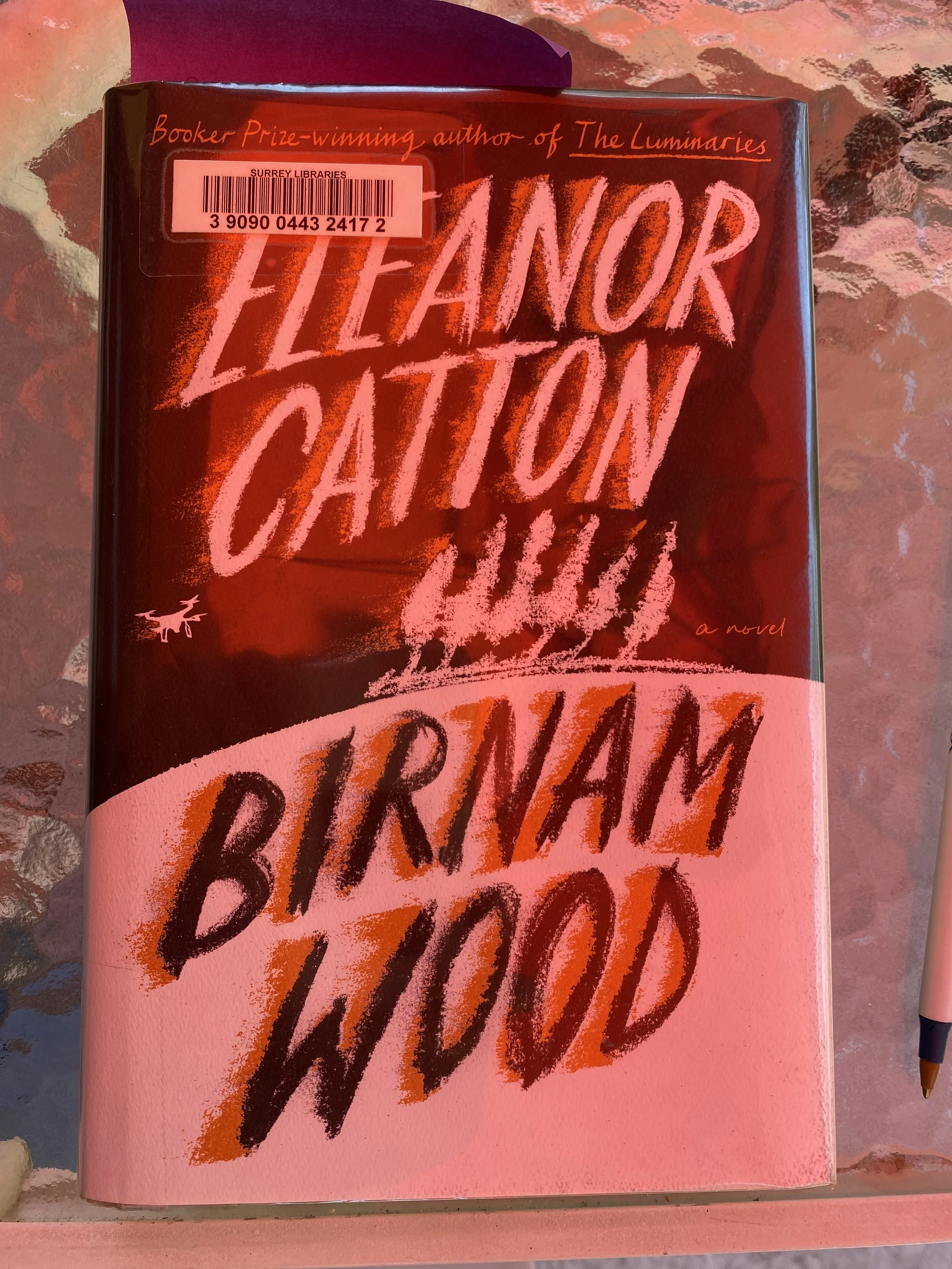
Birnam Wood by Eleanor Catton
In March, Eleanor Catton visited Vancouver to converse with Bill Richardson about Birnam Wood. Lesley Hurtig, artistic director of the local Writer’s Fest, characterized the novel as “a stunning takedown of late capitalism,” and Bill Richardson found many parts of it laugh-out-loud funny.

The Lost Man of Bombay by Vaseem Khan
As usual, Khan delivers a fast paced story even as he grounds us in a post-independence Bombay we can see, hear, feel and smell. The characters are interesting and believable. Add a few sly cultural references, some historic detail, and a couple of philosophical questions, and presto — an unputdownable book .

A Savage Hunger by Claire McGowan
Claire McGowan’s Paula Maguire series brilliantly portrays the long term consequences of the Irish Troubles through generations. This book also explores social attitudes toward food and hunger. After the temporary Missing Persons Research Unit of Ballyterrin is disbanded, cross-border cooperation between Irish police forces of North and South is “back to being intermittent and suspicious.” Among the population of the North, the willingness to help police is often grudging, sometimes entirely absent.

The Mushroom Tree Mystery by Ovidia Yu
Ovidia Yu’s most recent tree mystery is set at the end of World War II. We get to know our delightful protagonist Su Lin better and learn of conditions in Singapore at the time.

The Lady with the Gun Asks the Questions by Kerry Greenwood
For fans of Phryne Fisher, creator Kerry Greenwood’s new short stories provide a fresh treat. Gorgeous, wealthy, self-confident, and a connoisseur of attractive men, the lady sleuth of 1920s Melbourne is busy at her usual occupation. After uncovering lesser mischief as well as solving murders, Phryne does what she deems best, instituting restoration wherever possible.

Trespasses by Louise Kennedy
In today’s world of increasing political, social and religious division, it is doubly heartbreaking to read the lyrical unfolding of a tragedy the reader cannot fail to foresee. Thankfully, the writer leave us with a modicum of hope.

Dying Day by Vaseem Khan
Set in 1950 as India forges its national life after Independence, Khan’s second Inspector Wadia novel features many of the characters introduced in Midnight at Malabar House. The only female inspector in the Indian police service, Persis Wadia once more works with and against a motley array of colleagues and dastardly criminals.

Riccardino by Andrea Camilleri
Like many contemporary mystery writers, Camilleri spices his work with trenchant political and social commentary, which often makes for hilarious reading.